Source Reusable Hospital First Aid Box for Office, Vehicle, and Travel
Explore 30 options for a reusable hospital first aid box designed for office, vehicle, and travel use. Compare models like SL-060 and PTD-10, featuring CE, ISO, and FDA standards, with customizable contents and packaging to meet your specific storage needs.
Key considerations
Products List




Comprehensive Sourcing Guide
Reusable Hospital First Aid Box Sourcing Guide
Procuring reusable hospital first aid boxes requires a strategic approach that balances immediate clinical utility with long-term operational durability. These units serve as critical infrastructure in high-traffic medical environments, ensuring that essential supplies are organized, accessible, and protected from contamination. Buyers must prioritize products that offer robust construction while maintaining the flexibility to adapt to evolving hospital protocols. The decision to source reusable containers rather than disposable alternatives often hinges on sustainability goals and cost-efficiency over time, making material selection and design longevity paramount considerations for facility managers and procurement officers.
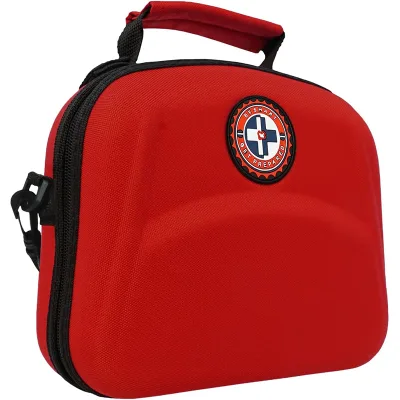
The market offers a diverse array of options, ranging from compact portable units to larger, stationary storage solutions designed for specific departments. Observations from current listings indicate that suppliers provide various configurations, including box-style containers and bag-style carriers, each suited to different logistical needs. Some models are explicitly designed for office or vehicle use, while others are tailored for factory or hospital settings. This variety allows buyers to match the first aid box to specific use cases, whether it is for emergency response teams, patient care units, or general facility maintenance, ensuring that the right tool is available for every scenario.
Product Scope and Observed Listing Signals
Current market signals reveal a wide spectrum of product attributes available to buyers seeking reusable first aid solutions. Listings frequently highlight customization options, allowing hospitals to tailor contents to specific medical needs or branding requirements. Common features include optional colors, such as orange for high visibility, and various hardness levels, ranging from soft to hard materials, which influence durability and impact resistance. The style is often described as simple or occupation-specific, emphasizing functionality over aesthetics. These attributes suggest that buyers can select units that align with their facility’s visual identity and operational standards, ensuring that the first aid boxes integrate seamlessly into the hospital environment.
Packing and model specifications vary significantly across suppliers, reflecting different manufacturing capabilities and target markets. Observed models include identifiers like SL-063, SL-017, and HF H05, each potentially corresponding to distinct size or capacity configurations. Packing methods range from individual poly bags to export cartons, indicating that suppliers cater to both small-batch and large-scale procurement needs. Some listings note that small quantities are available, which is beneficial for testing or initial deployment, while others specify higher minimum order quantities. This diversity in packaging and model availability allows buyers to scale their procurement efforts according to budget and storage constraints, ensuring efficient inventory management.
Technical Specifications to Verify
When evaluating technical specifications, buyers should focus on dimensions and material properties that directly impact usability and storage efficiency. Observed sizes range from small to large, with specific dimensions noted for certain models, such as 21x14x7.5 cm or 300x300x120 mm. These measurements are crucial for determining whether the first aid box will fit into designated wall mounts, cabinets, or vehicle compartments. Additionally, the hardness of the container, whether soft or hard, affects its ability to protect contents during transport or in the event of accidental drops. Buyers must verify these physical attributes against their facility’s spatial requirements to ensure that the selected units do not obstruct pathways or exceed storage capacity limits.
Model numbers and standard specifications provide further insight into the product’s intended use and compatibility. For instance, some models are designated for home office use, while others are built for more demanding environments like factories or hospitals. The presence of logo printing options suggests that institutions can brand their first aid boxes for easy identification and accountability. Furthermore, the type of container, whether a box or a bag, influences how supplies are organized and accessed. Buyers should cross-reference these technical details with their internal inventory systems to ensure that the chosen first aid boxes align with existing labeling and tracking protocols, facilitating efficient maintenance and restocking processes.
Compliance and Safety Documentation
Compliance with international standards is non-negotiable for hospital procurement, ensuring that first aid boxes meet rigorous safety and quality benchmarks. Listings frequently cite certifications such as CE, ISO 13485, and FDA, which indicate adherence to medical device regulations and quality management systems. These certifications are critical for verifying that the materials used in the construction of the boxes are safe for medical environments and do not pose risks to patients or staff. Buyers must request and validate these documents to ensure that the suppliers are operating within legal and ethical frameworks, protecting the hospital from liability and ensuring the integrity of the medical supplies stored within the boxes.
In addition to certifications, buyers should verify the standards associated with the product’s manufacturing process and material composition. Standards like ISO and CE mark the product’s conformity with European and international safety requirements, which is particularly important for hospitals operating in or exporting to regulated markets. The presence of these standards suggests that the suppliers have undergone rigorous testing and quality control procedures. However, buyers should not rely solely on listed claims; instead, they should request recent audit reports or certification copies to confirm their validity. This due diligence ensures that the first aid boxes are not only compliant on paper but also meet the practical safety needs of a clinical setting.
Cost Drivers and Commercial Terms
Understanding the cost drivers behind reusable first aid boxes is essential for budgeting and negotiating favorable commercial terms. Factors such as material quality, customization options, and packaging methods significantly influence the final price. For instance, boxes with logo printing or specific color requirements may incur additional costs due to the customization process. Similarly, the choice between poly bags and export cartons can affect shipping costs and handling efficiency. Buyers should analyze these variables to determine the total cost of ownership, including not just the unit price but also logistics, storage, and maintenance expenses over the product’s lifecycle.
Commercial terms, including minimum order quantities (MOQ) and delivery times, play a crucial role in procurement planning. While some suppliers offer small MOQs for flexibility, others may require larger orders, such as 500 pieces, to achieve economies of scale. Delivery times can vary, with some listings indicating a lead time of around 25 days, which buyers must factor into their inventory management strategies. It is advisable to negotiate clear terms regarding payment schedules, return policies, and warranty coverage to mitigate risks. By understanding these commercial dynamics, buyers can optimize their purchasing decisions, ensuring that they receive the best value for their investment while maintaining a steady supply of essential medical equipment.
Supplier Qualification and Quality Control
Supplier qualification is a critical step in ensuring the reliability and consistency of reusable first aid box supplies. Buyers should prioritize suppliers with a proven track record in medical equipment manufacturing, particularly those located in regions known for high-quality production, such as Guangdong, China. Verifying the supplier’s business license, manufacturing capabilities, and past client references can provide insight into their operational stability and commitment to quality. Additionally, suppliers that offer OEM services demonstrate flexibility and a willingness to collaborate, which can be beneficial for hospitals seeking customized solutions. Establishing a strong relationship with a qualified supplier ensures a consistent supply chain and reduces the risk of disruptions.
Quality control measures must be rigorously enforced to maintain the integrity of the first aid boxes. Buyers should request samples for inspection before placing large orders, checking for defects in materials, stitching, and closures. Implementing a quality assurance protocol that includes regular audits and performance testing can help identify potential issues early. Suppliers that adhere to strict quality standards, as indicated by their certifications, are more likely to deliver products that meet hospital requirements. By maintaining active oversight of the supplier’s quality control processes, buyers can ensure that the first aid boxes remain durable, functional, and safe for use in critical medical environments, thereby protecting patient care standards.
Long-Term Procurement Checks
Long-term procurement checks are essential for maintaining the performance and compliance of reusable first aid boxes over time. Buyers should establish a schedule for regular inspections of the existing inventory to assess wear and tear, ensuring that boxes remain structurally sound and hygienic. This includes checking for cracks, discoloration, or damage to closures that could compromise the safety of the contents. Additionally, staying updated on changes in regulatory standards is crucial, as hospitals must ensure that their equipment continues to meet current legal and safety requirements. Proactive monitoring allows for timely replacements or upgrades, preventing potential safety hazards and ensuring continuous compliance.
Furthermore, buyers should periodically review supplier performance and market trends to identify opportunities for improvement or cost savings. This includes evaluating the supplier’s responsiveness, delivery reliability, and product innovation. Engaging in regular communication with suppliers can foster a collaborative relationship, leading to better service and potential discounts for loyal customers. Additionally, exploring new materials or designs that offer enhanced durability or functionality can provide competitive advantages. By maintaining a strategic approach to procurement, hospitals can ensure that their first aid boxes remain a reliable and efficient component of their medical infrastructure, supporting high standards of patient care and operational efficiency.
FAQs
What certifications do reusable hospital first aid boxes have?
These boxes typically hold FDA, CE, and ISO13485 certifications to ensure medical-grade safety and regulatory compliance. The products are manufactured in China, often in Guangzhou or Guangdong, and meet international standards for medical storage. Buyers can verify these credentials directly with suppliers to confirm that the equipment meets hospital and clinical requirements for sterile and safe storage.
Can I customize the contents of the first aid box?
Yes, customization is available for both the box contents and branding. Suppliers offer options for custom or standard contents, allowing you to tailor the kit to specific medical needs. Additionally, logo printing is available, and brands like Saferlife support OEM services. This flexibility ensures the final product aligns perfectly with your institutional or commercial branding and functional requirements.
What are the typical MOQ and lead times for orders?
MOQs vary, with some suppliers accepting small quantities while others require a minimum of 500 pieces. Delivery times are generally around 25 days for production and shipping. Buyers should confirm specific MOQs and lead times with the manufacturer, as these figures depend on the chosen model, such as SL-060 or PTD-10, and the complexity of any custom packaging requests.
Which sizes and styles are available for these boxes?
Boxes are available in small, medium, and large sizes to suit different storage needs. Styles range from simple designs to occupation-specific looks, with colors like orange or optional choices. Models such as SL-017 or HF H05 offer varying hardness levels, from soft to hard, ensuring the right durability for office, vehicle, or hospital environments while maintaining a professional appearance.
How are the first aid boxes packed for shipping?
Packing methods include poly bags, PP bags, carton boxes, and export cartons depending on the model. For instance, some items use individual poly or PP bags, while others are packed in sturdy carton boxes for bulk shipping. This variety ensures safe transit and allows buyers to choose packaging that best fits their logistics requirements and protects the reusable medical equipment during international transport.
Where are these reusable first aid boxes manufactured?
These products are primarily manufactured in China, with specific origins noted in Guangzhou and Guangdong provinces. This location allows for efficient production of various models, including SL-063 and PTD-10. Buyers can leverage this manufacturing hub for competitive pricing and reliable supply chains, ensuring that the medical boxes meet international quality standards while benefiting from established industrial infrastructure in the region.